
TikTok Content Authorization Tool: How Repost Permissions and Protection Against Unoriginal Content Work
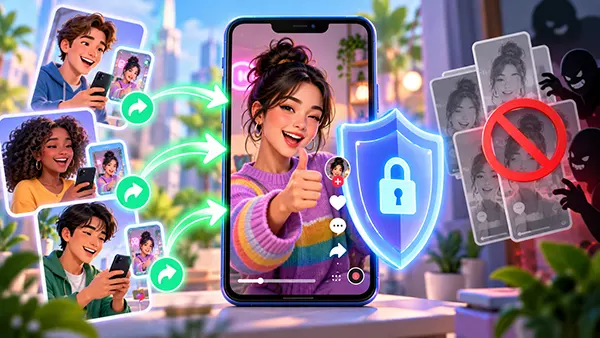
TikTok Shop introduced the Content Authorization Tool in August 2026 to give creators a clearer way to manage permission when one account wants to reuse content originally published by another. The feature addresses a common problem for creators who legitimately work together, share product videos or allow partners to reuse their material but may otherwise have that content identified as copied or unoriginal. Instead of relying only on private messages or informal agreements, eligible creators can now record permission directly through TikTok Shop. The tool does not make copied content automatically acceptable, and it does not transfer ownership of a video. Its purpose is narrower: it provides a recognised way for the original creator to confirm that another TikTok Shop creator is allowed to reuse their work for a specified period.
What the TikTok Content Authorization Tool Does in 2026
The Content Authorization Tool is designed specifically for TikTok Shop creators who need to request or give permission for content reuse. TikTok began rolling it out globally on 17 August 2026 as part of its approach to Unoriginal Content enforcement. It can be accessed through the Creator Health Rating area in TikTok Shop for Creator. From there, a creator can ask another account for permission to reuse videos, give permission to another creator, respond to incoming requests and review previous authorisation activity. In certain cases, the same system can also be opened from an eligible Unoriginal Content violation notice.
This matters because TikTok distinguishes between having access to somebody’s video and having permission to publish that material from another account. Downloading a clip, receiving the original file from a colleague or being verbally told that it can be reused does not create a record inside TikTok Shop. The new tool provides that record. Permission is linked to the TikTok accounts involved, using their account handles, so the original content owner remains the person who decides whether another creator is authorised to reuse the material.
Creators should also distinguish Content Authorization from TikTok’s ordinary Repost feature. When a viewer taps Repost, the existing video can be shown to friends and other users in their For You feeds while remaining the original creator’s post. Content Authorization deals with a different situation: another TikTok Shop creator wants to reuse content from the original account in content published through their own account. That difference is important because the authorisation system is intended to deal with ownership and reuse permissions rather than normal sharing behaviour inside the TikTok app.
Account-Level and Video-Level Authorization Explained
TikTok Shop currently provides two main forms of authorisation. Account-level authorisation is intended for situations where creators expect to reuse content from one another as part of an ongoing arrangement. A creator can open the Content Authorization Tool from the Creator Health Rating page, enter the handle of the original content owner and request permission. The original creator can also start the process from the other direction by granting another account permission to repost their videos. According to TikTok’s current guidance, one creator can authorise up to five other creator accounts at account level.
Video-level authorisation is more specific. It is available through certain Unoriginal Content or pirated-content violation notices when TikTok has identified an individual video as potentially using material belonging to another creator. If the person who uploaded the video really did have permission, they may be able to request confirmation directly from the original owner through that violation notice. When the owner approves an eligible request, TikTok may remove the related violation and lift enforcement applied to that video.
The two options therefore solve different problems. Account-level permission is better suited to planned cooperation, where creators know before publishing that content will be reused. Video-level permission is mainly a way of confirming an existing agreement after a particular upload has already been flagged. Neither option changes who owns the original work. The creator who made the original content keeps ownership, while the authorised account receives only the permission recorded through the tool and only for the period covered by that authorisation.
How Repost Permission Works Between TikTok Shop Creators
To request account-level permission, a creator starts from TikTok Shop for Creator and opens the Creator Health Rating page, followed by the Content Authorization Tool. They then select the option for requesting permission to repost videos from another account and enter the original owner’s TikTok handle. An authorisation end date must also be selected. The permission begins from the date on which it is submitted and can generally remain valid for a maximum of one year. Supporting evidence can be added where relevant, although TikTok lists this step as optional.
The process can also be started by the content owner. A creator who wants another account to be able to reuse their videos can choose the option for granting another account permission, enter the recipient creator’s handle and select an end date. This can be useful for regular creator partnerships, members of the same production team or other legitimate arrangements where videos may appear through more than one account. Recording that permission before content is republished can reduce uncertainty if TikTok’s systems later compare the reused video with the earlier original.
Authorisation is not transferable. If Creator A gives Creator B permission to use a video, Creator B cannot pass that permission on to Creator C. The third creator must obtain authorisation directly from the original owner. This prevents a single approval from turning into an uncontrolled chain of reposts. It also gives the person who created the material more control over which accounts may reuse it and for how long, rather than treating permission as a permanent right that follows every copy of the video.
What Happens After an Authorization Request Is Sent
Once a request has been submitted, the original creator receives an authorisation request and can accept or decline it. Under the rules published for the 2026 release, a request remains active for three days. If the original owner does not respond during that period, the request is automatically declined. This means creators should not assume that silence counts as consent. Until the request is accepted, there is no approved TikTok Shop authorisation recorded between the two accounts.
TikTok also limits repeated requests in order to prevent creators from repeatedly contacting owners who have already refused permission. Current guidance states that if the same owner declines requests from a creator twice within 30 days, that creator cannot send the same owner another request for the following 30 days. If five different content owners decline requests from one creator within a 30-day period, TikTok may temporarily prevent that creator from starting new requests for 30 days. Creators can see their available request allowance inside the tool.
For a request connected to an Unoriginal Content violation, timing is particularly important. The creator should act before the relevant appeal or action window closes and should keep the affected video available while the request is being considered. TikTok advises against deleting the video or switching it to private during this process because doing so may affect the available authorisation or appeal options. If permission is declined or the owner does not respond, the original violation can remain in place, although an appeal may still be possible when the violation notice remains eligible for one.
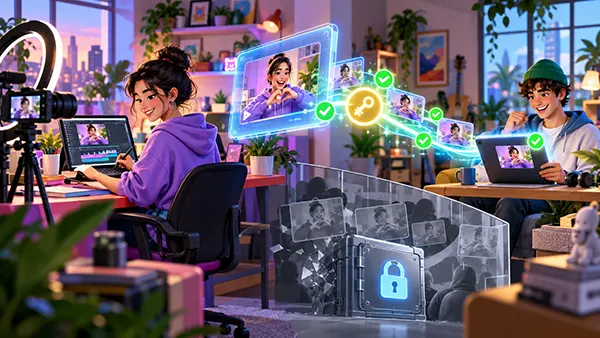
How TikTok Uses Authorization to Handle Unoriginal Content
TikTok’s Unoriginal Content rules are intended to distinguish genuine creator work from material that has simply been copied and uploaded again. Under its broader Community Guidelines, reproduced content without meaningful new or creative changes can be made ineligible for the For You feed. Examples given by TikTok include imported or reuploaded material carrying another person’s visible watermark or superimposed logo. A separate and more serious issue arises when a repost infringes copyright, trademarks or other intellectual-property rights, as content that violates those rights may be removed rather than merely receiving reduced recommendation.
The Content Authorization Tool adds an important distinction for TikTok Shop creators: a reused video is not necessarily unauthorised simply because another account published the original version first. There are legitimate situations in which an owner has knowingly allowed another creator to use the same material. The tool gives TikTok a direct record of that relationship. When a video receives an eligible Unoriginal Content violation and the original creator confirms permission, the violation may be removed and enforcement attached to that particular case may be lifted.
However, authorisation should not be treated as a general exemption from TikTok’s other content rules. Permission from an original creator does not guarantee that a video will be recommended in the For You feed, does not protect content that breaches other rules and does not automatically resolve copyright questions involving music, footage or other material owned by third parties. The Content Authorization Tool confirms permission between specific TikTok creator accounts; it does not replace the Community Guidelines, TikTok Shop creator policies or wider intellectual-property requirements.
Practical Ways to Protect Original Content and Avoid Violations
The safest approach for creators who regularly share content is to arrange authorisation before reposting whenever the tool is available for their accounts. If another creator has produced the original footage, asking them to approve its reuse through TikTok Shop creates a clearer record than relying only on a conversation elsewhere. Creators who routinely allow trusted partners to reuse their material can also consider granting account-level permission for an appropriate period rather than waiting for individual videos to be flagged. The end date should still reflect the real working arrangement because authorisation cannot normally be granted permanently.
Creators should also keep their original production files and other reasonable evidence showing how content was made. Authorization is useful when somebody else genuinely owns the original material, but it is not always the correct response to a violation. TikTok’s own guidance indicates that an appeal is more appropriate when the creator made the content themselves, believes it was wrongly classified as unoriginal or believes enforcement was applied by mistake. In that situation, requesting permission from another account would not accurately describe who created the video.
Finally, creators should not assume that minor changes automatically make copied material original. Cropping another person’s video, adding a logo, making basic visual changes or uploading a clip that still clearly reproduces somebody else’s work may still lead to an Unoriginal Content assessment or an intellectual-property complaint. TikTok’s 2026 authorisation system gives creators a practical way to document legitimate reuse, but its strongest protection comes from using it for genuine permission rather than as a way to bypass originality requirements. Clear ownership, direct consent and accurate records remain the most reliable basis for sharing another creator’s work through TikTok Shop.