
How Social Media Shapes Modern Lifestyles and Influences Different Generations
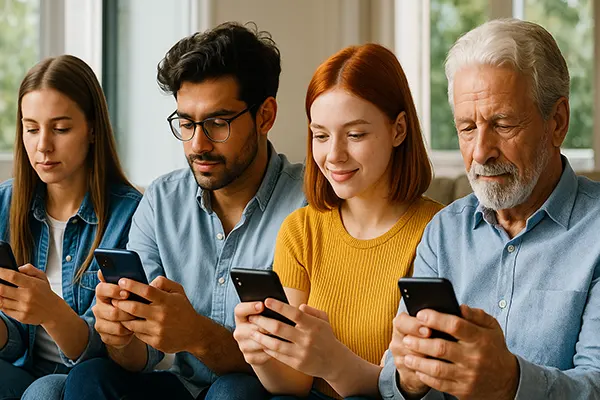
Social media has become an integral part of everyday life, influencing how people communicate, work, consume information, and form personal values. By 2025, these digital environments are no longer limited to entertainment or casual interaction; they actively shape routines, decision-making processes, and even long-term life goals. However, their impact is not uniform, as different generations engage with social networks in distinct ways, driven by age, experience, and social context.
Social Media as a Driver of Lifestyle Change
One of the most visible effects of social media is the transformation of daily habits. People increasingly rely on social feeds for news updates, professional insights, and recommendations related to health, travel, and personal finance. This constant flow of information has shortened decision cycles and altered how individuals prioritise time, often blending work, leisure, and social interaction into a single digital space.
Another significant change concerns consumption patterns. Product discovery now frequently starts with social recommendations, reviews, or influencer opinions rather than traditional advertising channels. This shift has encouraged more impulse-driven behaviour while also increasing awareness of ethical consumption, sustainability, and brand transparency, especially among younger users.
Social interaction itself has evolved. While online communication enables people to maintain wider networks, it has also reduced the depth of some relationships. Digital engagement often replaces face-to-face interaction, reshaping social skills, expectations of availability, and perceptions of personal boundaries.
The Role of Algorithms in Everyday Decisions
Algorithms play a crucial role in determining what users see and how they perceive the world. By analysing behaviour, interests, and engagement history, social networks personalise content streams, subtly influencing opinions, preferences, and even emotional states. Over time, this can reinforce existing beliefs and limit exposure to alternative viewpoints.
This personalised environment affects lifestyle choices such as fitness routines, dietary habits, and leisure activities. Users are often guided towards trends that align with their previous interactions, which can be motivating but may also reduce critical thinking and independent exploration.
Awareness of algorithmic influence has increased by 2025, leading some users to actively manage their feeds or take digital breaks. This reflects a growing understanding that lifestyle balance requires conscious control over digital consumption rather than passive engagement.
Generational Differences in Social Media Usage
Generational background strongly influences how social media is perceived and used. Younger generations, particularly Generation Z, tend to view social networks as multifunctional tools for communication, self-expression, and learning. For them, online presence is closely linked to identity formation and social validation.
Millennials often occupy a middle ground, using social media for professional networking, parenting communities, and lifestyle inspiration. Their usage reflects a balance between practicality and personal expression, shaped by witnessing both the rise and normalisation of digital communication.
Older generations, including Generation X and Baby Boomers, typically approach social media more cautiously. They prioritise staying connected with family, accessing news, and maintaining existing relationships rather than constant content creation or trend participation.
Trust, Privacy, and Information Evaluation Across Ages
Trust in online information varies significantly between generations. Younger users, having grown up with digital media, are often more adept at navigating multiple sources but may underestimate long-term privacy risks. Their familiarity can create confidence that does not always translate into critical evaluation.
Older users tend to be more sceptical but may struggle with identifying misinformation or understanding data collection practices. This makes them more vulnerable to misleading content despite their cautious approach.
By 2025, digital literacy initiatives have become more widespread, aiming to bridge these gaps. Effective lifestyle integration of social media increasingly depends on the ability to assess credibility, protect personal data, and understand the long-term consequences of online activity.

The Psychological and Social Impact of Constant Connectivity
Continuous connectivity has reshaped mental and emotional well-being. Social comparison, driven by curated online images, can affect self-esteem and life satisfaction across all age groups. However, the intensity of this impact often depends on how central social media is to an individual’s identity.
At the same time, social networks provide valuable support systems. Online communities offer spaces for shared experiences, professional advice, and emotional support that may not be accessible offline, particularly for people in remote or socially isolated situations.
The challenge lies in maintaining balance. Excessive engagement can lead to digital fatigue, anxiety, and reduced attention spans, making mindful usage a key factor in preserving overall quality of life.
Adapting to a Digitally Integrated Lifestyle
Adapting to social media influence requires conscious strategies rather than complete withdrawal. Setting boundaries around screen time, diversifying information sources, and prioritising meaningful interaction can mitigate negative effects while preserving benefits.
Workplace cultures have also adapted, with social networks influencing professional branding, recruitment, and remote collaboration. Understanding these dynamics is essential for career development, particularly for younger generations entering the workforce.
Ultimately, the influence of social media on lifestyle is shaped by user awareness and intent. As digital environments continue to evolve, the ability to engage thoughtfully will determine whether social networks enhance or undermine long-term well-being.