
How Social Media Shapes Self-Esteem and Emotional Wellbeing in 2026
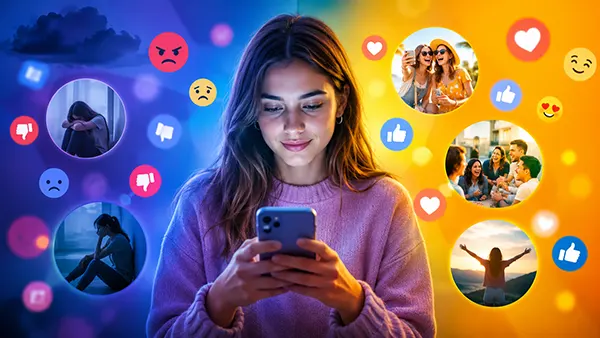
Social media has become part of everyday life for billions of people across the world. In 2026, users spend several hours each day scrolling through short videos, messaging friends, reacting to trending stories, and sharing personal experiences online. While social networks help people stay connected and informed, they also influence emotional wellbeing in ways that are not always obvious. Psychologists, educators, and healthcare researchers continue to study how constant exposure to curated content affects confidence, mood, behaviour, and social relationships. The impact is especially noticeable among teenagers and young adults, although adults are increasingly affected as well.
The Connection Between Social Comparison and Self-Esteem
One of the strongest psychological effects of social media is social comparison. Users regularly compare their appearance, lifestyle, income, relationships, and achievements with what they see online. Most people share carefully selected moments rather than ordinary daily realities, creating unrealistic expectations for others. Repeated exposure to edited photos, luxury travel content, and idealised lifestyles may gradually reduce confidence and create dissatisfaction with personal circumstances.
Research published by the American Psychological Association and European mental health organisations between 2024 and 2026 shows that excessive comparison on visual-based apps is linked to lower self-esteem among adolescents. Teenagers often measure their popularity through likes, comments, and follower counts. When online validation becomes emotionally important, negative feedback or lack of engagement may affect self-worth more strongly than real-life interactions.
Adults are not immune to these effects. Career-focused social networks and lifestyle content can increase pressure to appear successful at all times. Many professionals experience anxiety after constantly seeing posts about promotions, investments, expensive purchases, or productivity achievements. Over time, this may contribute to feelings of inadequacy, even when their real-life situation is stable and healthy.
How Algorithms Intensify Emotional Pressure
Modern recommendation systems are designed to maximise user engagement. Algorithms analyse behaviour, interests, watch time, and emotional reactions in order to deliver content that keeps users online for longer periods. In practice, this means emotionally charged content often receives greater visibility because it generates stronger reactions and higher interaction rates.
Negative emotional cycles may develop when users repeatedly consume content related to appearance anxiety, relationship problems, political anger, or unrealistic body standards. Studies conducted in the UK during 2025 found that users exposed to highly filtered beauty content for extended periods reported lower mood levels and increased dissatisfaction with their physical appearance.
Another issue is the speed of online trends. Viral discussions can change within hours, creating pressure to constantly remain updated. Many users feel mentally exhausted by the need to react quickly, maintain online visibility, and follow shifting cultural expectations. This continuous stimulation reduces emotional recovery time and may increase stress levels.
The Impact of Social Media on Mood and Mental Health
Social media can positively influence emotional wellbeing when used in moderation. Many people find emotional support through online communities, especially those dealing with health conditions, loneliness, or social isolation. Support groups, educational creators, and mental health campaigns have helped normalise conversations about anxiety, depression, and emotional resilience.
At the same time, excessive use is strongly associated with sleep disruption and emotional instability. Late-night scrolling remains one of the most common habits affecting mental health in 2026. Exposure to bright screens and emotionally stimulating content before sleep interferes with natural rest patterns. Poor sleep quality is directly connected to irritability, reduced concentration, and increased emotional sensitivity.
Cyberbullying also remains a serious concern. Although many social networks introduced stricter moderation systems and AI-assisted safety tools, online harassment still affects millions of users each year. Young people exposed to repeated online criticism often experience increased levels of anxiety, social withdrawal, and low confidence. In severe cases, prolonged digital harassment contributes to depression and emotional burnout.
The Psychological Effects of Constant Notifications
Notifications trigger short-term emotional responses that influence mood throughout the day. Messages, reactions, and alerts stimulate dopamine activity in the brain, creating anticipation and temporary emotional rewards. Over time, many users develop compulsive checking habits without fully realising it.
Psychologists describe this pattern as fragmented attention behaviour. Constant interruptions reduce focus and increase mental fatigue. Employees working remotely often report higher stress levels because personal and professional communication now happens through the same digital channels. The inability to mentally disconnect from online activity contributes to emotional exhaustion.
There is also growing concern about emotional dependency on online approval. Some users feel anxious when posts receive limited interaction or when messages remain unanswered for long periods. This emotional reliance on digital responses can weaken real-world confidence and reduce satisfaction with offline relationships.
Healthy Social Media Habits in 2026
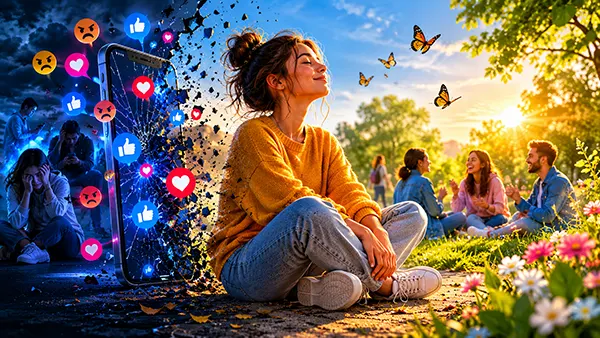
Experts increasingly recommend mindful social media use instead of complete avoidance. Digital communication remains important for education, work, entertainment, and maintaining relationships. The focus has shifted towards building healthier online habits that support emotional balance rather than harming it.
One effective strategy is limiting screen time and removing unnecessary notifications. Many smartphones and applications now include advanced wellbeing settings that monitor daily usage patterns. Users who actively reduce passive scrolling often report better concentration, improved sleep, and more stable mood levels after only a few weeks.
Another important step involves curating online environments carefully. Following educational, realistic, and supportive accounts instead of overly idealised content may reduce harmful comparison. Mental health professionals also encourage regular breaks from social media, especially during periods of stress or emotional vulnerability.
Why Digital Awareness Matters for Future Generations
Children and teenagers are growing up in an environment where digital identity is closely connected to social acceptance. Schools across Europe and North America have started introducing digital wellbeing education to help students understand online pressure, misinformation, and emotional manipulation techniques used in social networks.
Parents are also becoming more involved in monitoring healthy online behaviour. Open discussions about self-esteem, body image, online popularity, and emotional boundaries help younger users develop healthier relationships with technology. Restrictive control alone is often less effective than education and communication.
In 2026, social media continues to offer both opportunities and risks. It can support creativity, learning, and social connection, but it can also affect confidence and emotional health when used without balance. Understanding how digital environments influence behaviour allows users to make more informed choices and protect their mental wellbeing in everyday life.